
Salt Air
That Coastal Breeze? It’s Also Working on Your Sofa.
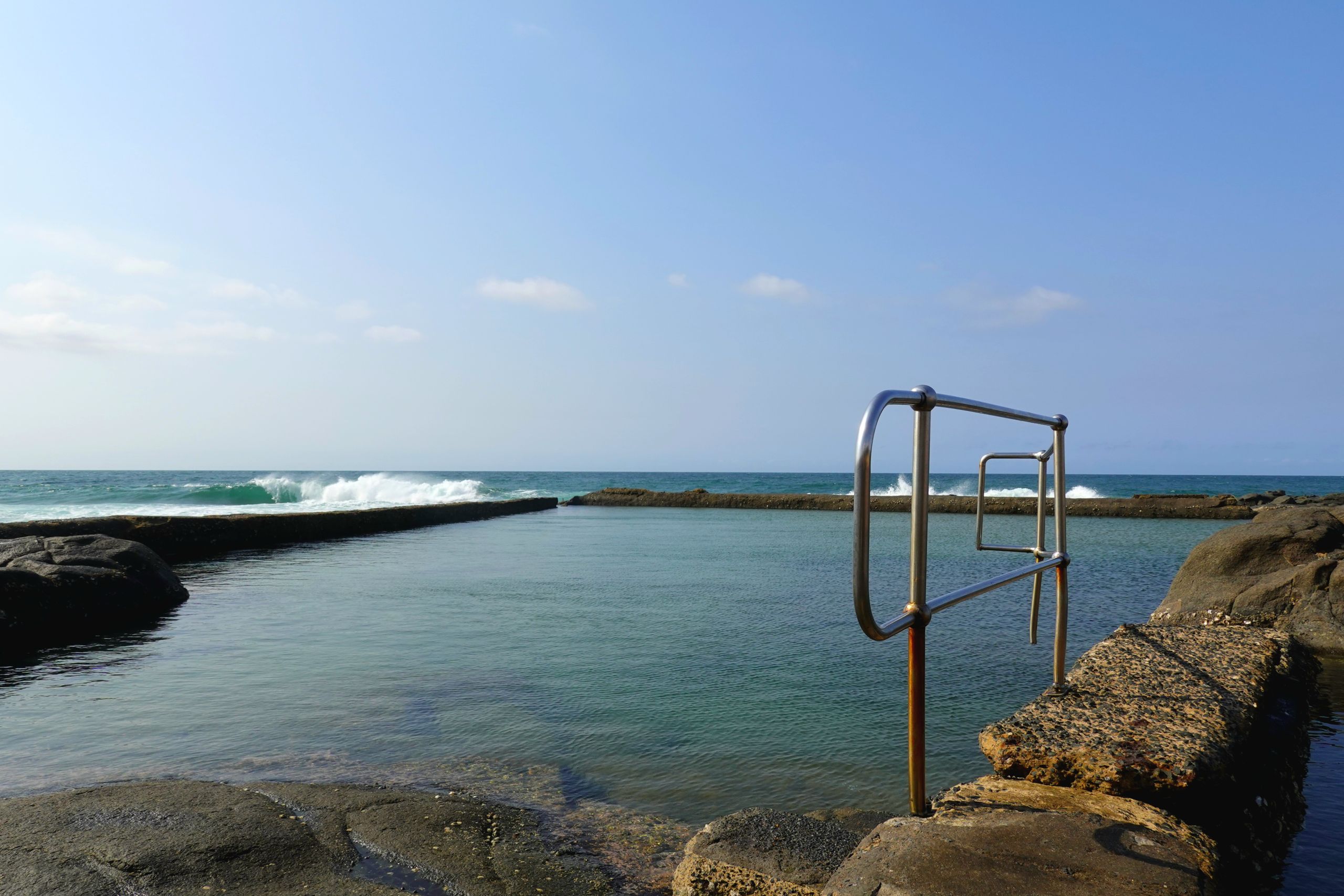
Living on the North Coast is amazing. The sunsets, the sound of the waves, the fresh sea air… it’s what dreams are made of. But as any local will tell you, that beautiful ocean breeze comes with a sneaky little sidekick: salt air. And while it’s great for your lungs, it’s not so great for your furniture.
The thing is, you won’t see this happening. The salt doesn’t blow in as visible white dust. Instead, the ocean waves crash, break, and turn into an invisible mist of microscopic salt particles that float right through your window screens. They settle on everything—your tables, your curtains, and deep inside your cozy couch. Over time, this “invisible shower” starts to cause quiet, hidden trouble.
Let’s break down what’s actually happening to your favorite sofa, in plain English.
1. What’s Happening to the Metal Inside? (Springs, Frames & Staples)
Here’s a surprising fact: salt is a bit of a moisture magnet. It actually attracts water from the air. So when those tiny salt particles land on the metal springs or frame inside your sofa, they don’t just sit there—they grab onto any humidity nearby and hold it tight.
Now you’ve got a tiny, salty little puddle sitting on bare metal. And that’s a recipe for rust. Not the slow, surface rust you might see on a garden tool; this is rust that eats away at the inside of your furniture where you can’t see it.
- The springs get brittle and start to sag. That firm, supportive seat slowly turns into a lumpy marshmallow.
- The metal brackets and staples holding the frame together corrode and weaken. One day, you sit down and hear a pop—that’s the sound of a joint that’s given up.
- By the time you actually see rust on an exposed leg or spring, the inside has been struggling for months.
In short, the skeleton of your sofa gets tired long before the cushions do.
2. What About the Fabric? (The Wear and Tear You Can Feel)
Okay, so the metal rusts. But what about the pretty fabric you actually see and touch? That gets hit too, just in a different way.
When the salty mist lands on your sofa’s upholstery, the water part eventually evaporates. But the salt doesn’t disappear. It stays behind as millions of tiny, sharp, invisible crystals buried deep in the weave of the fabric.
And every time you sit down, shift your weight, or toss a pillow aside, you’re basically grinding those tiny crystals into the threads. Think of it as a thousand microscopic little knives, slowly cutting the fibers every single day.
Over a couple of years, this adds up:
- The fabric starts feeling thinner in the spots you sit on most.
- Colors might look a little faded or worn, but really, the fibers themselves are breaking down.
- Small tears or frayed edges start appearing, not because the sofa was cheap, but because the threads got tired of being sandpapered every time you moved.
3. And Don’t Forget the Cushion Filling (Where Things Get Gross)
This last part is the one nobody thinks about. Remember how salt loves to attract moisture? Well, that moisture doesn’t just rust metal—it also seeps deep into your foam cushions.
Your cushions become a slightly damp, cozy little home for things you really don’t want living inside your furniture: mold and mildew.
Here’s how it happens: The salt inside the foam pulls humidity out of the air, keeping the center of your cushion just moist enough. Add a few crumbs, some dead skin cells (we all shed them), and you’ve got a perfect petri dish.
You might not notice right away. The first sign is usually a musty smell that doesn’t go away, no matter how much you Febreze. Over time, that smell gets stronger. And for anyone with allergies or asthma, sitting on that couch can start triggering coughs, sneezes, or stuffy noses.
The worst part? By the time you smell it, the mold is already living deep inside the foam, where you can’t just wipe it off.
So, What’s the Takeaway?
The salt air isn’t trying to be mean—it’s just doing what salt does. But the result is that your furniture ages way, way faster on the coast than it would inland. A sofa that might last 15 years in a dry, inland town could start feeling sad and tired in just 3 to 5 years by the ocean.
The good news? You can fight back. Look for furniture with rust-resistant frames (powder-coated metal or stainless steel), choose tight-weave synthetic fabrics that don’t trap salt as easily, and consider using a dehumidifier or moisture-absorbing packs inside your sofas or closets.
Think of it as giving your furniture a little extra love to match the beautiful-but-tough place you call home. Your couch will thank you.


